Bob Marley's Cannabis Legacy Linked to Lamb’s Breath and Jamaican Landraces
Bob Marley’s enduring connection to the Lamb’s Breath cannabis strain reflects Jamaica’s rich landrace heritage, blending folklore, spirituality, and cultural significance in the global cannabis landscape
Key Points
- 1Bob Marley is widely associated with the Jamaican landrace strain Lamb’s Breath (Lamb’s Bread)
- 2The term 'Lamb’s Bread' is Jamaican slang for high-quality cannabis and has spiritual significance in Rastafari
- 3Marley is quoted as saying, "When you smoke the it, it reveal you to yourself," about Lamb’s Breath
- 4A biologist is working to recreate Jamaican landrace strains from cultivars preserved by Rastafarians
- 5Jamaican landrace strains have influenced global cannabis varieties, including Jamaican Dream and Jamaican Pearl
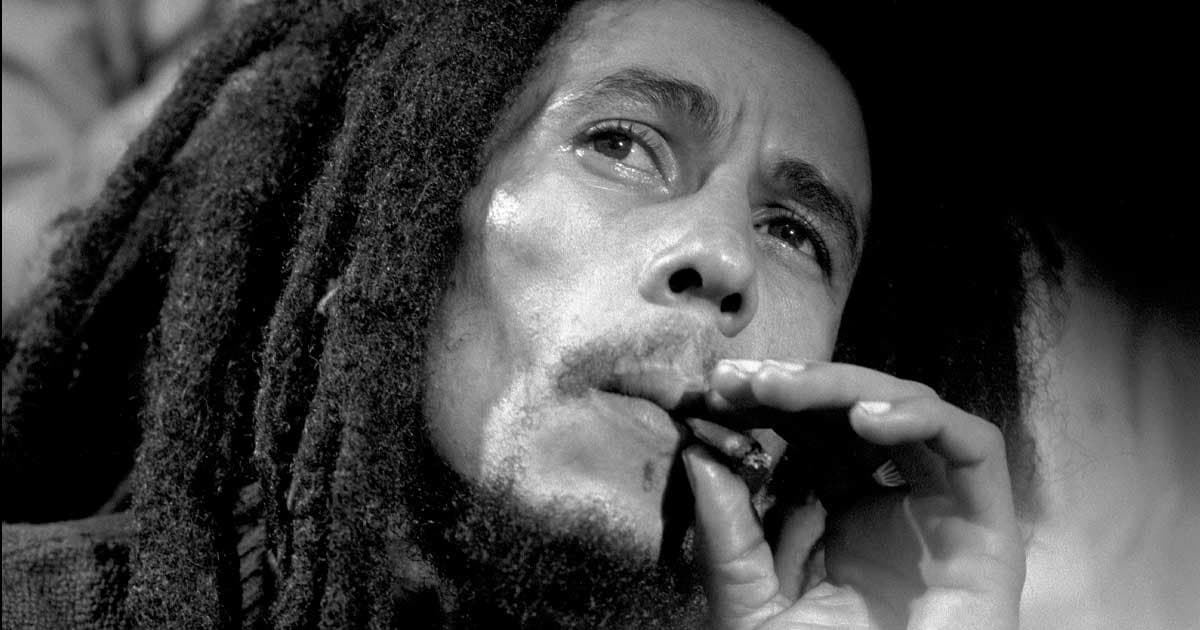
Bob Marley, the iconic reggae musician and global ambassador for Rastafarian culture, is often associated with a particular cannabis strain: Lamb’s Breath, also known as Lamb’s Bread. This landrace sativa, native to Jamaica, is widely believed to have been Marley's preferred variety, although the story behind this connection is as much legend as it is fact. According to Newsweed, the Lamb’s Breath strain is renowned for its uplifting and creative effects, and its aroma stands out from modern hybrids, embodying a distinctly local character
The origins of Lamb’s Breath are steeped in both folklore and historical migration. While the strain is considered indigenous to Jamaica today, its roots trace back to cannabis seeds brought from India by colonists and enslaved Africans. Over generations, these plants adapted to the island’s tropical climate, becoming a staple among Rastafarian communities. The term "Lamb’s Bread" itself is Jamaican slang for high-quality ganja and holds a spiritual significance in Rastafari, often mentioned in religious contexts
Bob Marley’s own words have contributed to the mystique surrounding Lamb’s Breath. He is quoted as saying, "When you smoke the it, it reveal you to yourself," highlighting the introspective and enlightening qualities attributed to the strain. However, as Newsweed notes, Marley never explicitly named Lamb’s Bread in interviews as his favorite, and the term may have simply referred to any exceptional local cannabis. The biblical undertones of the name suggest a link to sacramental offerings, deepening its cultural resonance
Jamaica is home to a variety of landrace strains beyond Lamb’s Breath, each shaped by the island’s climate and culture. Varieties such as King’s Breath (or King’s Bread), Jamaican Dream, and Jamaican Pearl have roots in local sativas, contributing to a genetic lineage that has spread worldwide. For example, Jamaican Dream, a 90% sativa hybrid, gained popularity in Amsterdam’s coffeeshops, while Jamaican Pearl was bred by crossing Early Pearl with Jamaican strains to enhance its tropical vigor and energetic effects
Efforts to preserve and recreate these legendary Jamaican landraces are ongoing. As reported by Newsweed, a biologist is actively working to revive the original strains Marley may have consumed, drawing from cultivars maintained by Rastafarians across Jamaica and the wider Caribbean. These initiatives aim to safeguard the unique genetics and cultural heritage of Jamaican cannabis for future generations
OG Lab notes that the enduring fascination with Bob Marley’s cannabis preferences underscores the powerful intersection of music, spirituality, and plant genetics. As global interest in heritage strains grows, Jamaica’s landraces continue to inspire both scientific preservation and cultural storytelling. Travelers and enthusiasts alike are drawn to the island’s authentic cannabis legacy, which remains a living testament to Marley’s influence and the Rastafarian way of life